

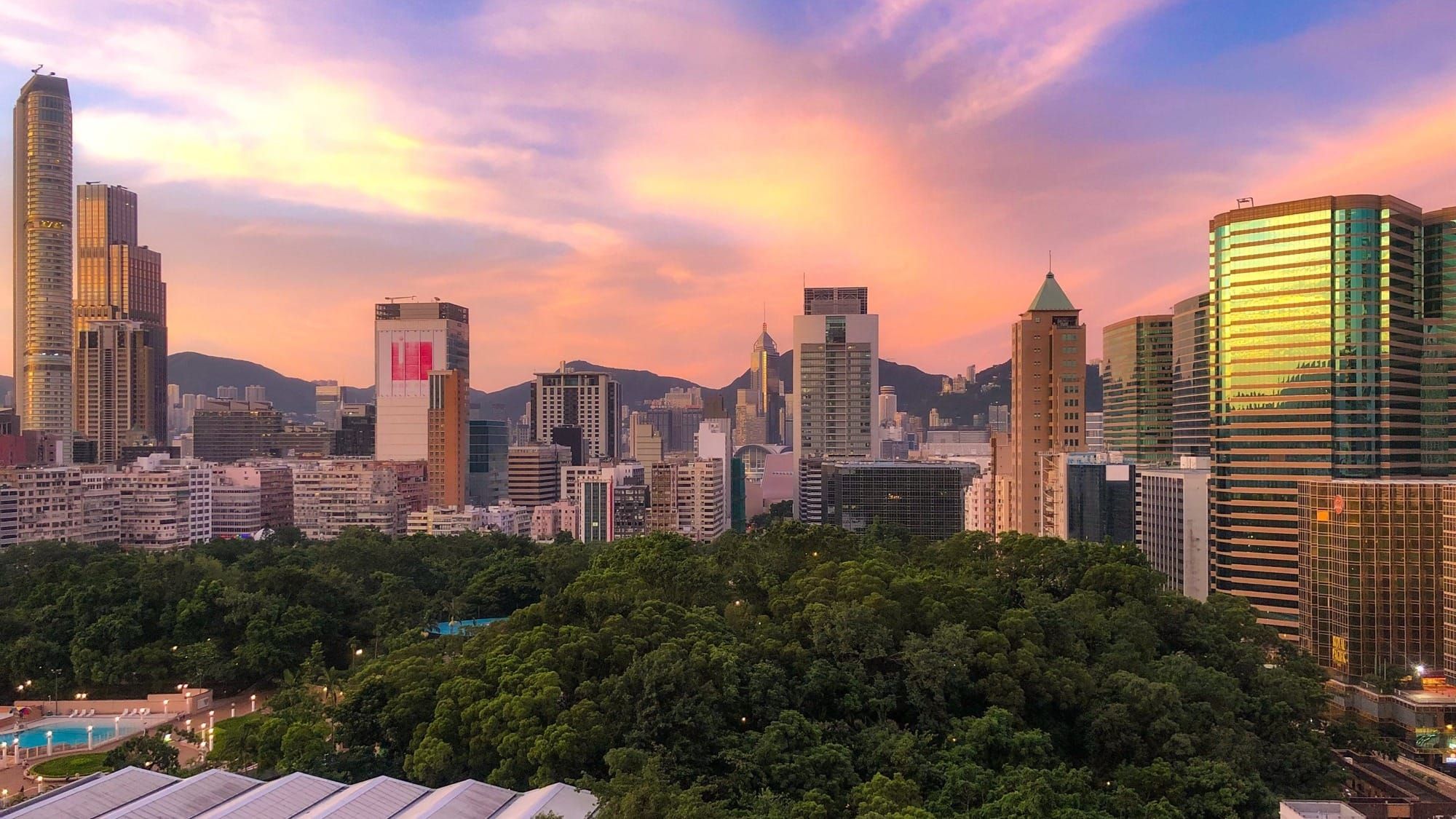
I have a confession. For years, I stopped seeing the most beautiful view I have ever lived with.
It was right outside my window. I'll tell you how I found it again. But first, a line I keep coming back to.
Brother David Steindl-Rast, the Benedictine monk who helped found Grateful Living, puts it simply: "It's not happiness that makes us grateful. It's gratefulness that makes us happy."
He also teaches that everything is a gift, and that how awake we are to this truth is the measure of how grateful we are, and how alive.
Take a breath and let that land.
Brother David Steindl-Rast on why gratefulness is the key to happiness. (TED)
Think about this very moment. Did you walk up to a cashier and order another moment? You didn't. And yet here it is. This breath. This moment of reading these words. A gift.
Life and time are the most valuable things we will ever be given. And inside each moment is the possibility of something magnificent. Something we didn't plan for. Something that blooms from seeds we planted long ago. A chance to repair a relationship. A chance to learn and grow. A chance to bring joy to ourselves and to others.
Every moment is an invitation to feel grateful.
Researchers Joel Wong and Joshua Brown at Indiana University studied nearly three hundred people who were starting counseling, most of them struggling with anxiety and depression. One group was asked to do something small: write one gratitude letter a week, for three weeks. That was it.
The letter writers reported better mental health than the others. But not right away, and that's the part I love. The benefits grew. Four weeks later the gap was clear. Twelve weeks later it was wider still.
Even the people who never sent their letters felt the shift. It wasn't about the other person receiving it. Something happened in the writing itself.
Months later, brain scans showed the gratitude group was processing the world a little differently. The heart had been practicing. The brain was catching up.
In 2010, a mine collapsed in Chile's Atacama Desert, trapping thirty-three miners nearly half a mile underground. For the first seventeen days, no one above even knew if they were alive. They waited sixty-nine days in the heat and the dark before a narrow capsule finally pulled them up to the surface, one by one.
Sixty-nine days underground. Then sunlight. Watch the moment the Chilean miners came home. (NBC Nightly News)
As they stepped out, some of the men dropped to their knees and prayed. One knelt and made the sign of the cross. Sunlight. Fresh air. The faces of the people they loved. The ordinary things we walk past every day without noticing, and there the men were, on their knees for them.
That's where gratitude begins. Not with getting more. With seeing what's already here.
Gratitude has a companion: lovingkindness, what the Buddhist tradition calls metta. Gratitude is the heart noticing what it has received. Metta is the heart offering that sends love back out. One receives. One gives. Two movements of the same breath.
Archbishop Desmond Tutu described how in many African languages, when you ask someone how they are, the answer comes back in the plural. We are well. We are not well. If my grandmother is suffering, I am not entirely well either. The idea of the solitary, isolated human being is a kind of fiction.
Jack Kornfield reminds us that the point of spiritual life isn't to perfect ourselves. It's to perfect our love. I find that such a relief. Perfecting yourself is exhausting. Perfecting your love is what actually brings joy.
Thich Nhat Hanh taught that wanting to make someone happy isn't enough on its own, because love offered without understanding can still cause suffering. In True Love, he writes that "training is needed in order to love properly." That training begins with looking deeply at the people we love.
Gratitude is the doorway. When we're grateful, the heart is already soft, already open, already connected. Metta simply turns that open heart outward. Toward the people we love. Toward strangers. Toward ourselves.
Which brings me back to my confession. Last year I left Hong Kong to move back to the United States. I had lived in my Hong Kong home for twenty years. Everything in the neighborhood was so familiar, even that beautiful view of the harbor. Over time, I was noticing it less and less.
Then, in the months before I left for the U.S., I spent morning after morning, and many nights, just admiring it.
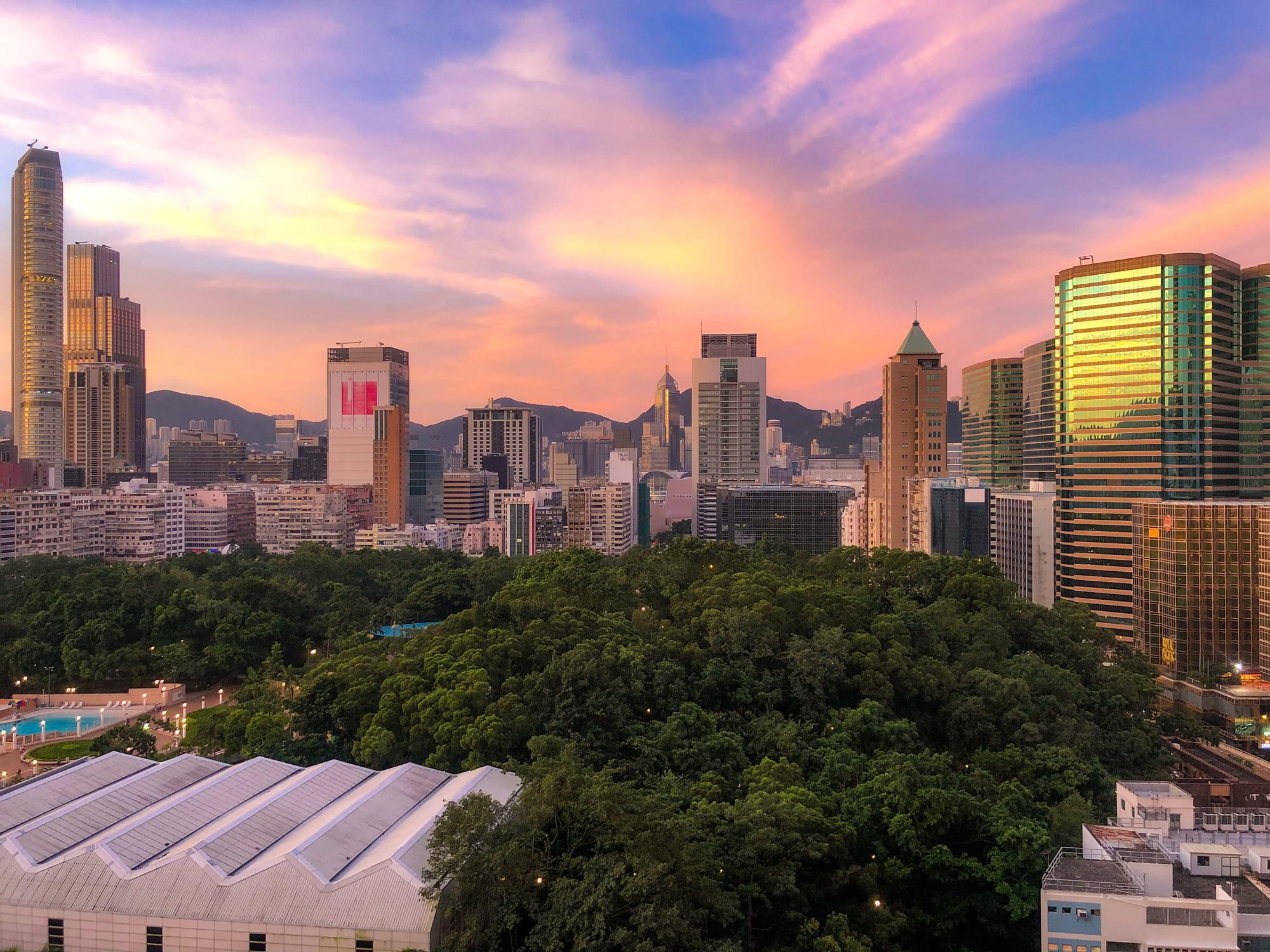
In the middle of all my worry about the move, whether I could adjust to life in the U.S. after twenty years away, my heart was full. Grateful for the chance to be home, to be near my family and my childhood friends. Grateful to have lived somewhere so beautiful for so long.
Here's what I learned. Familiarity can quietly steal our gratitude. We slip into autopilot. We take everything for granted. As wonderful as it all is, we stop seeing it.
Gratitude doesn't wait for life to be perfect. It shows up right in the middle of the mess, the moment we finally look.
Picture someone who has just immigrated walking into an American supermarket for the very first time. Food from every corner of the world. Strawberries in winter. Cheese from France. Fruit from the other side of the earth. Imagine the wonder on that face.
We are surrounded by that same abundance. We walk past it every day. It takes just one breath to see it with new eyes.
So here is my invitation for this Thanksgiving week. A small practice, borrowed from that Indiana University study.
Find a quiet moment. Take three slow breaths. Think of one person whose kindness has shaped your life, and write them a letter. Tell them what they gave you and what it meant. You don't have to send it. Remember, the shift happens in the writing.
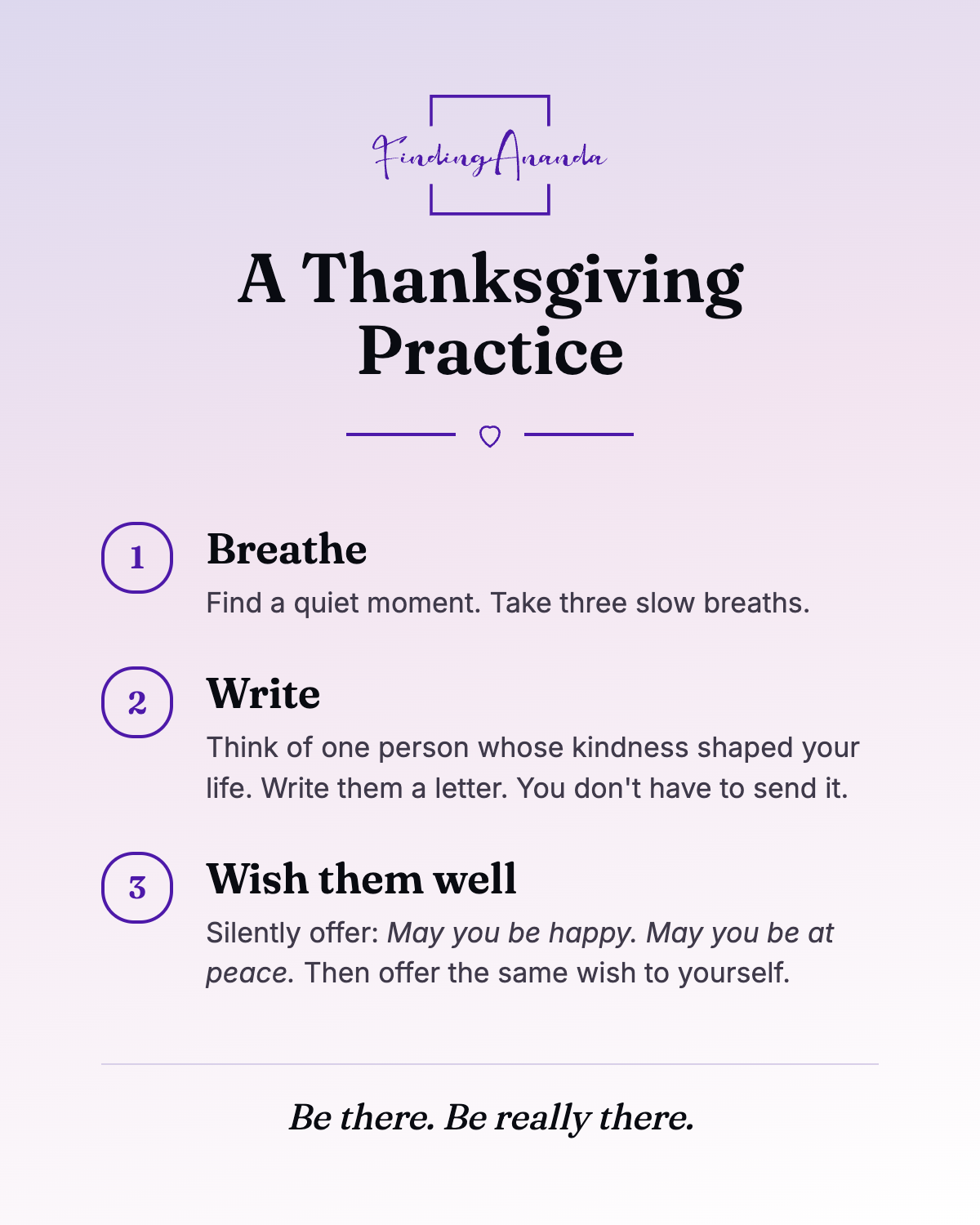
Then, if you'd like, turn that open heart outward. Hold that person in your mind and silently wish them well. May you be happy. May you be at peace. Then offer the same wish to yourself.
As you walk into the homes you know so well this Thanksgiving, pause at the door. Take a few deep breaths. Feel your feet on the ground.
When you're surrounded by the people you love, take the moment in. The voices. The laughter. The familiar faces. The food on the table.
And be grateful. The universe just gave you another Thanksgiving—one you never ordered.
The medieval mystic Meister Eckhart once said, "If the only prayer you ever say in your entire life is thank you, it will be enough."
So this year, let that be your prayer.
Be there. Be really there.
我想坦白一件事。曾经有好几年,我竟对自己此生所见过的最美风景,渐渐熟视无睹。那片风景,其实一直就在我的窗外。
后来,我又重新发现了它。至于这份失而复得的感动从何而来,容我稍后再讲。
在此之前,我想先与你分享一句始终萦绕在我心头的话。本笃会修士、感恩生活组织(Grateful Living)的共同创始人大卫·斯坦德尔-拉斯特修士(Brother David Steindl-Rast)曾说:“并非幸福使我们心怀感恩,而是感恩,让我们懂得幸福。”
他还教导我们,世间万物,皆是馈赠。而我们对这一真相有几分觉察,便有几分感恩;有几分感恩,便有几分真切地活着。
不妨深吸一口气,让这句话在心底静静回响。
每一刻都是礼物。听大卫·斯坦德-拉斯特修士分享,如何用感恩迎接它。(视频来源:TED)
想一想,此时此刻。你可曾走到柜台前,向收银员买下生命中的下一个瞬间?没有。可它依然来了。这一口呼吸。这一刻光阴。此刻你读着这些文字的片刻安宁。都是不曾索取,却如期而至的礼物。
生命与时间,是我们此生所能得到的最珍贵的馈赠。而每一个看似平凡的瞬间,都藏着某种非凡的可能。也许是一场未曾预料的际遇;也许是多年前无意播下的种子,终于在某个清晨悄然开花;也许是一次冰释前嫌的契机,一段学习与成长的旅程,又或是一个让自己与他人重拾欢喜的机会。
每一个当下,都是生命向我们发出的邀请,邀我们心怀感恩。
印第安纳大学的研究人员乔尔·黄(Joel Wong)与约书亚·布朗(Joshua Brown),曾对近三百名刚开始接受心理咨询的人展开研究。其中大多数人,正深受焦虑与抑郁的困扰。研究人员请其中一组人做一件极其简单的事:连续三周,每周写一封感谢信。仅此而已。
结果发现,写信的人,心理健康状况比其他参与者有了更明显的改善。但这份改变并未立刻显现。而这,恰恰是最令我动容的地方。
感恩的力量,仿佛一颗埋入泥土的种子,并不急于破土,而是在看不见的地方,静静生根。四周后,差异开始清晰;十二周后,这份积极的影响愈发显著。即便那些从未寄出感谢信的人,也同样感受到了内心的变化。
原来,重要的并不是收信的人是否读到了那些文字。而是在我们提笔写下感谢的那一刻,有些东西,已在心中悄然改变。
几个月后,脑部扫描显示,练习感恩的人,处理外界信息的方式也出现了微妙的不同。仿佛是心灵先学会了感恩,而大脑随后才循着它的脚步,慢慢赶上。
2010年,智利阿塔卡马沙漠发生了一场矿难。三十三名矿工被困在地下近半英里深处。最初的十七天,地面上的人甚至无从得知,他们是否还活着。他们在酷热与黑暗中,整整等待了六十九天。直到一枚狭窄的救援舱,终于将他们一个接一个地带回人间。
六十九天的黑暗之后,终于重见阳光。重温智利矿工获救的那一刻。(视频来源:NBC Nightly News)
当他们重新踏上地面,有人双膝跪地,低头祈祷;有人单膝跪下,在胸前郑重地画下十字。阳光。清新的空气。所爱之人的面容。那些我们每天经过、每天拥有,却几乎从不驻足留意的寻常事物,在那一刻,竟珍贵得足以令人跪地感恩。
感恩,原来并非始于得到更多,而是始于终于看见,自己早已拥有的一切。
感恩,还有一位温柔的同行者。那便是慈爱。佛教传统中称之为 Metta,意为慈心,一种不求回报的善意与祝福。感恩,是心灵觉察到自己所接受的馈赠;慈爱,则是心灵将这份温暖重新送往人间。一个是领受,一个是给予。如同一呼一吸,是同一颗心的两种律动。
南非大主教德斯蒙德·图图(Desmond Tutu)曾谈到,在许多非洲语言中,当你问一个人近况如何,对方往往会以复数作答:
“我们很好。”
或是:
“我们不太好。”
因为倘若我的祖母正在受苦,我又怎能说自己全然安好?人与人之间,从来有着无法割裂的牵系。所谓完全独立、与世隔绝的个体,或许不过是我们为自己编织的一种幻象。
杰克·康菲尔德(Jack Kornfield)曾提醒我们:精神修行的意义,不在于使自己趋于完美,而在于使我们的爱更加圆满。这句话,总让我感到一种深深的释然。毕竟,穷尽一生去雕琢一个完美的自己,是何等疲惫。而学习如何更好地去爱,却能让生命生出真正的欢喜。
一行禅师(Thich Nhat Hanh)也曾教导我们:仅仅希望一个人幸福,并不足以构成真正的爱。因为缺乏理解的爱,即使出于善意,也可能带来伤害。他在《真爱》(True Love)一书中写道:
“要懂得如何正确地去爱,是需要练习的。”
而这份练习,始于我们愿意用心凝望,真正理解那些我们所爱的人。感恩,便是通往慈爱的一扇门。
当我们心怀感恩,心便已经柔软,已经敞开,已经与周遭的世界悄然相连。而慈爱,不过是让这颗敞开的心,轻轻转向他人。转向我们深爱的人。转向素昧平生的陌生人。也转向我们自己。
说到这里,我想回到最初的那个坦白。去年,我离开香港,迁回美国。在此之前,我已在香港的家中生活了整整二十年。二十年,足以让一座城市的街巷、晨昏与四季,都成为生命中再熟悉不过的背景。就连窗外那片美丽的海港,也渐渐成了我习以为常的风景。
日子久了,我望向它的次数越来越少。直到临别前的那几个月。我开始在一个又一个清晨,在许多个夜晚,久久地凝望那片海。仿佛只有在即将告别的时候,我才重新看见它的美。
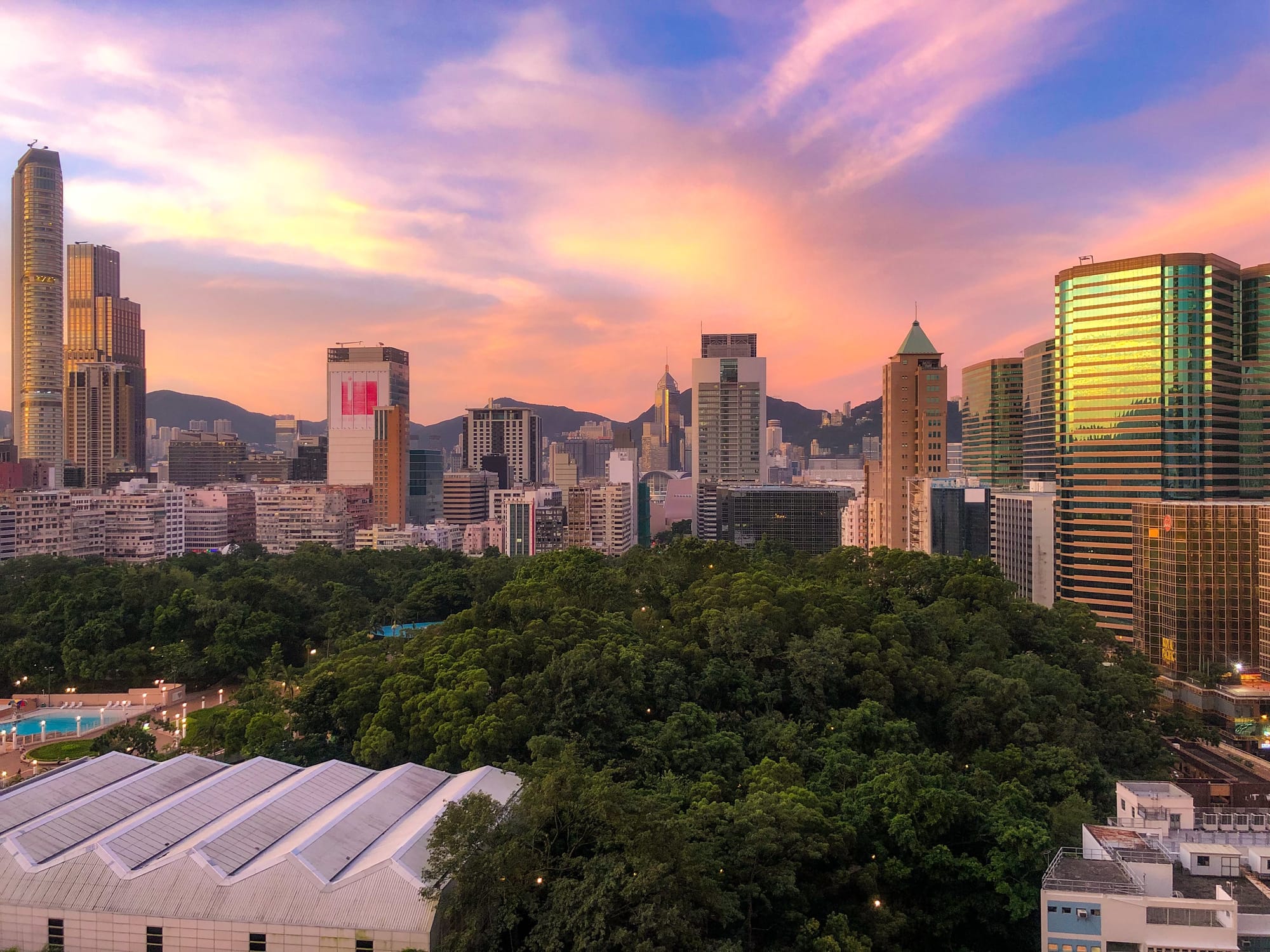
那段日子,我的心中其实充满了忧虑。离开美国二十年之后,再次回去生活,我还能适应吗?熟悉的一切即将远去,未知的生活又会是什么模样?
然而,就在这些不安之中,我的内心却也被感恩深深填满。我感恩自己终于有机会回到故乡,重新靠近家人和童年的朋友。我也感恩,命运曾让我在这样美丽的地方,度过了整整二十年的光阴。
那时,我终于明白:熟悉,有时会悄悄偷走我们的感恩。我们不知不觉地陷入惯性的生活,日复一日,循着相同的脚步前行。渐渐地,我们将一切视作理所当然。
那些美好的事物明明从未离开,我们却已不再真正看见。原来,感恩并不需要等待生活圆满无缺。它常常就在生活的纷乱与不安之中悄然生起。只要我们肯停下脚步,重新凝望。
试着想象这样一个画面。一个初到美国的移民,第一次走进当地的超市。货架上,陈列着来自世界各地的食物。冬日里鲜红的草莓。来自法国的奶酪。跨越重洋、从地球另一端运来的水果。想象一下,那个人眼中会有怎样的惊叹与欣喜。而我们呢?
我们每天都生活在同样的丰盛之中。只是日复一日地从它们身旁走过,早已忘记了惊奇。其实,重新看见这一切,有时只需要一口深呼吸。然后,试着用初见时的目光,再看一眼这个世界。
所以,在这个感恩节到来之际,我想向你发出一个小小的邀请。这是一个借鉴自印第安纳大学那项研究的简单练习。
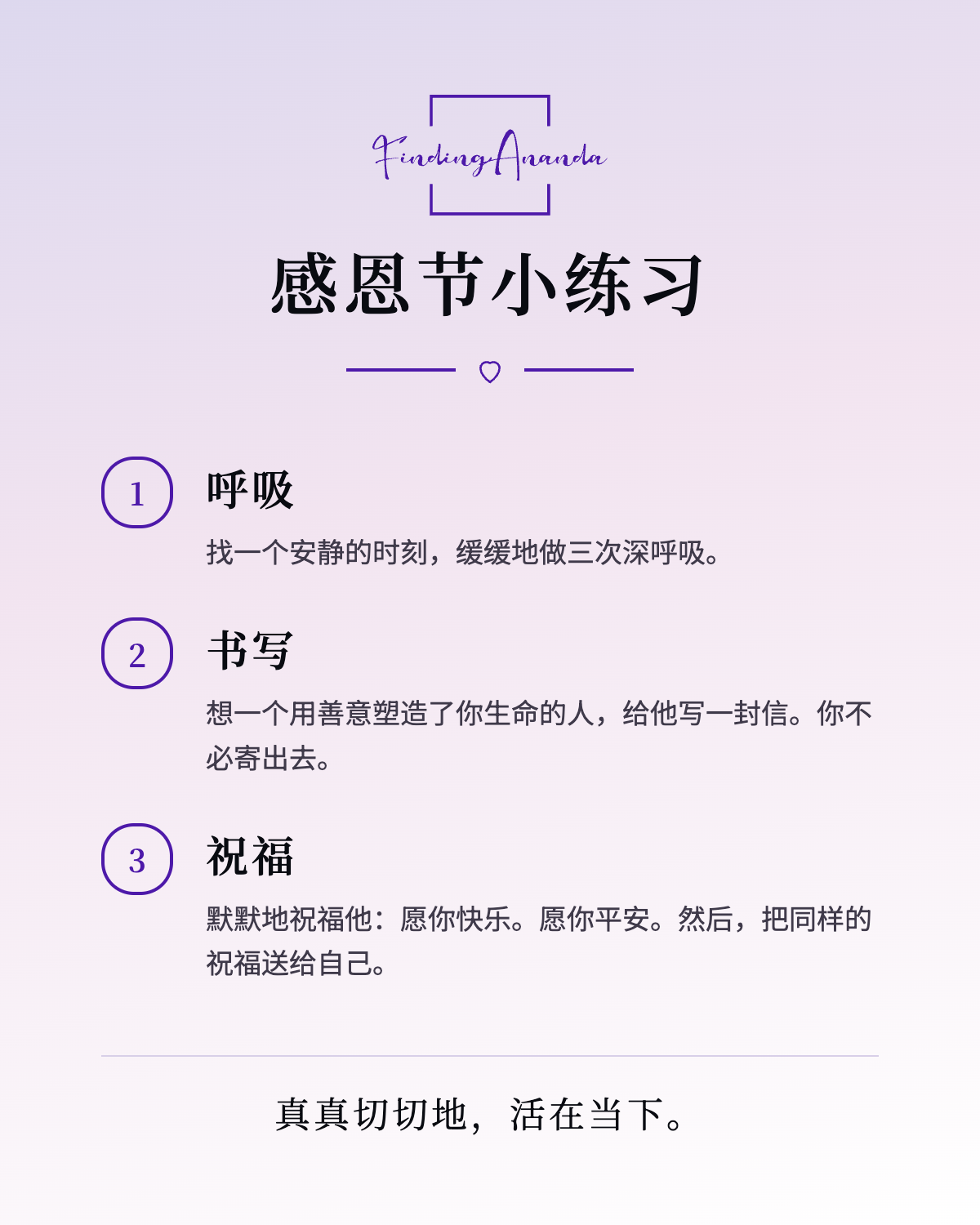
找一个安静的时刻。缓缓地,深呼吸三次。想起一个曾以善意影响你生命的人。然后,给他写一封信。告诉他,他曾给予你什么。告诉他,那份善意曾如何温暖你、改变你,又在你的生命中留下了怎样的印记。你不必一定将信寄出。因为请记得,真正的改变,往往就在书写的过程之中。
然后,如果你愿意,不妨让这份感恩继续向外延伸。
在心中轻轻想起那个人,默默为他送上祝福:
愿你幸福。
愿你平安。
随后,也把同样的祝福送给自己。
愿我幸福。
愿我平安。
这个感恩节,当你再次走进那些熟悉的家门时,不妨在门口稍稍停留。深深地呼吸几次。感受双脚踏在土地上的真实。
当你终于置身于所爱之人的陪伴之中,请用心感受那一刻。那些声音。
那些笑声。那些熟悉的面孔。还有餐桌上的食物。让自己真正停留在那一刻,感受它,珍惜它。然后,心怀感恩。因为宇宙,又赠予了你一个感恩节。一个你从未预订、从未索取,却再次有幸拥有的感恩节。
中世纪神秘主义思想家埃克哈特大师(Meister Eckhart)曾说:
“如果你一生中所说的唯一一句祷词是‘谢谢’,那便已经足够。”那么,今年,就让这句话成为你的祈祷吧。
谢谢。身在此刻,心亦在此刻。
真真切切地,活在当下。



Member discussion